Green Initiatives: How E-Waste Recycling Services Are Protecting Our Planet
E-waste represents a considerable hazard to the environment, as abandoned electronic devices commonly carry harmful materials. Such dangerous compounds can pollute soil and water supplies, leading to broader ecological damage. Electronic waste recycling programs offer an effective remedy. They not only recover valuable resources but also mitigate pollution. Gaining insight into how these programs function and affect local communities is critical. The path to successful electronic waste management prompts vital discussions about personal accountability and communal efforts. What measures can be pursued from this point onward?
The Reasons E-Waste Is Damaging to the Planet
Although technology enhances contemporary living, electronic waste presents considerable environmental hazards. Disposed electronic equipment, frequently composed of dangerous compounds like mercury, lead, and cadmium, can leach toxins into soil and groundwater, presenting dangers to ecosystems and human health. The swift progression of technology results in greater consumer replacement of electronic devices, intensifying the growing problem of discarded electronic materials.
Landfills, already strained by waste, are unable to keep up with the rising quantities of abandoned electronics. Incineration, a common waste management technique, emits dangerous pollutants into the environment, degrading atmospheric conditions. Moreover, poor recycling procedures can cause e-waste to be sent to developing regions, where employees may disassemble electronics without sufficient safety precautions, leaving them vulnerable to harmful substances. This cycle of neglect and improper handling underscores the urgent need for sustainable recycling solutions that can mitigate the adverse effects of e-waste on the planet.
What Is E-Waste and Its Importance?
E-waste, also referred to as electronic waste, encompasses obsolete electronic products like computers, smartphones, and televisions that have reached the end of their useful life. This rapidly expanding waste category is noteworthy due to its rapid accumulation, propelled by advances in technology and evolving consumer behaviors. As more devices become obsolete, the environmental impact intensifies, with dangerous elements including lead, mercury, and cadmium presenting serious hazards to the environment and human well-being.
Addressing e-waste is crucial not only for reducing these dangers but also for acknowledging the precious materials found within it. Precious metals and rare earth elements can be recovered and reused, reducing the need for mining and conserving natural resources. Through a deeper awareness of e-waste and its consequences, both individuals and organizations can make well-informed choices regarding disposal and recycling, thereby supporting a more sustainable future. Proper management of e-waste is essential for fostering a circular economy and promoting environmental stewardship.
How E-Waste Recycling Works
The recycling of e-waste encompasses a systematic process intended to extract beneficial components while minimizing environmental impact. To begin, electronic waste is gathered and delivered to purpose-built recycling plants. After reaching the facility, the equipment is meticulously organized to distinguish harmful elements from reusable resources.
After this step, employees dismantle the devices, separating metals, plastics, and glass. This stage is crucial, as it enables the reclamation of rare metals like copper, gold, and silver, which can be recycled in new electronics.
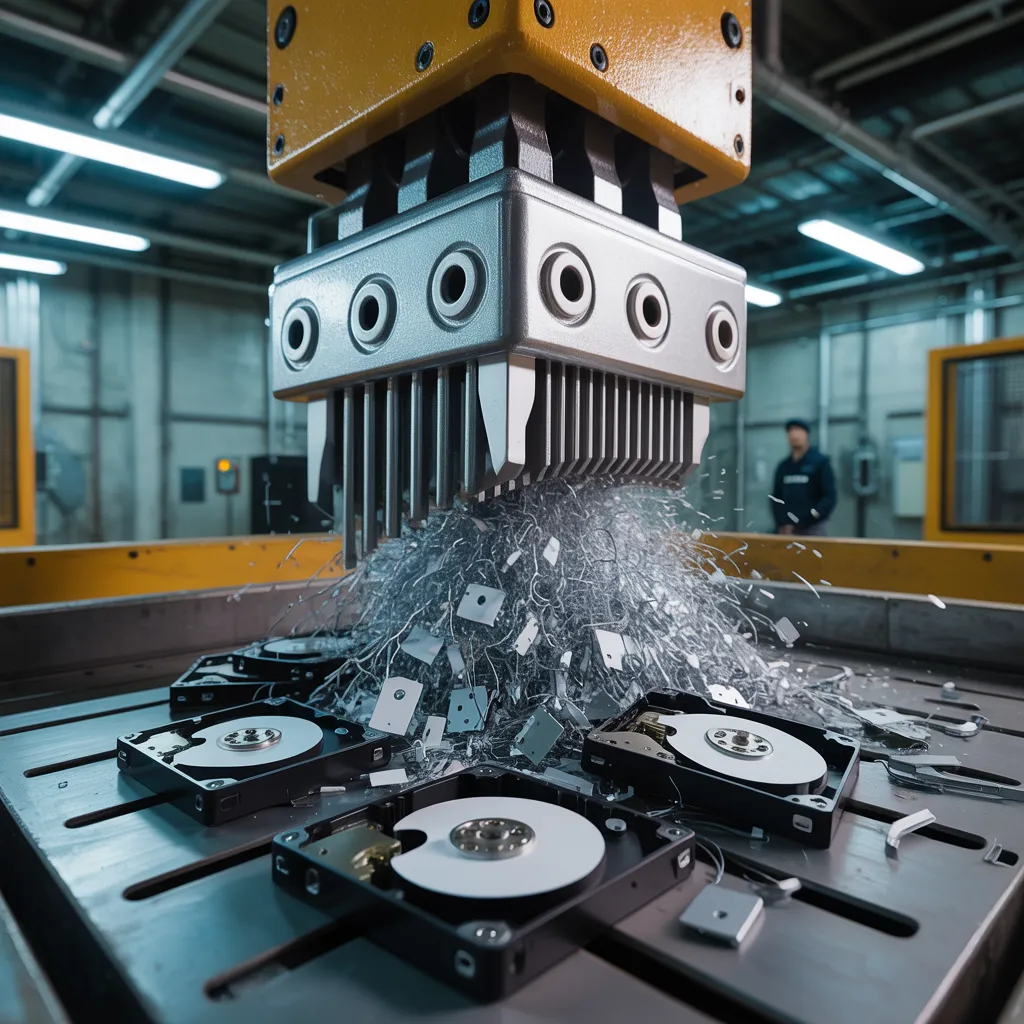
Subsequently, the divided materials are processed via sophisticated techniques, such as shredding and specialized chemical treatments, to purify them for further use.
Ultimately, the remaining hazardous waste is handled with responsibility, adhering to environmental guidelines. This comprehensive process not only saves important resources but also reduces the dangers associated with improper e-waste disposal, securing a more eco-conscious future for electronic device usage.
Benefits of E-Waste Recycling for You and Your Community
While many individuals may not realize it, the positive effects of e-waste recycling go far beyond individual benefit and actively shape entire communities. By responsibly disposing of electronic waste, individuals help foster a healthier environment, reducing hazardous materials that can seep into soil and water. This proactive approach helps preserve local ecosystems and supports public health.
Additionally, the recycling of e-waste encourages the creation of jobs in communities. Community recycling operations commonly require workers for a range of functions, covering everything from collection to processing, thus generating valuable job opportunities within the community. This not only stimulates the local economy but also encourages community engagement in sustainable practices.
Additionally, familiarity with e-waste recycling can lead to educational initiatives, enabling residents to adopt eco-friendly choices. By participating in e-waste recycling programs, individuals cultivate a culture of sustainability, motivating others to join the movement. All things considered, the shared impact of these actions can create a more robust and eco-friendly community.
How to Select an E-Waste Recycling Service
Picking the most suitable e-waste recycling service is crucial for making sure that e-waste is processed with responsibility and sustainability. First, consumers should confirm the provider's accreditations, such as e-Stewards or R2, which indicate adherence to industry standards for responsible recycling methods. Additionally, it is advisable to examine the company's standing by checking reviews and obtaining referrals from reliable sources.
Next, clarity in the recycling process is essential. A trustworthy provider should supply straightforward details about the manner in which e-waste is managed and what happens to the materials. Additionally, considering the scope of services provided can prove valuable; various firms may supply retrieval services or extend benefits for recycling.
Finally, being aware of local guidelines related to e-waste disposal can additionally influence the selection process. When these considerations are given priority, individuals can contribute to effective e-waste management while supporting environmentally responsible practices.
Ways You Can Participate in E-Waste Recycling?
Getting involved with e-waste recycling often starts at the local level, where recycling centers often provide essential services for proper disposal. Additionally, taking part in community awareness campaigns can amplify efforts to educate others about the importance of responsible e-waste management. These actions not only promote sustainability but also foster a collective sense of accountability for the environment.
Community Recycling Locations
Many local recycling centers serve a vital function in the recycling of e-waste, giving communities practical solutions to discard electronic waste in an eco-friendly way. These stations receive a variety of electronic devices, including old computers, smartphones, and televisions, ensuring that harmful materials are handled safely. Many hubs feature trained staff who can guide individuals on proper disposal methods, highlighting the value of recycling rather than landfilling. Furthermore, numerous facilities provide organized drop-off opportunities or appointed collection periods, making it easy for residents to participate. By utilizing these local services, individuals contribute to a circular economy, decreasing environmental damage and advancing sustainable approaches. Partnering with these facilities empowers communities to take action against e-waste pollution effectively.
Community Education Campaigns
Community groups, educational institutions, and companies can partner to arrange initiatives that encourage e-waste collection drives. Dedicated participants can take a leading part in raising awareness, sharing informational resources, and connecting with local residents. As a result of these combined actions, residents become more informed and motivated to recycle their electronic waste, thus playing a meaningful role in creating a more environmentally responsible future.
Common Questions and Answers
What Kinds of Electronics Can Be Recycled?
A wide range of electronics may be recycled, including computers, smartphones, televisions, laptops, gaming consoles, and printers. Moreover, ancillary devices such as batteries, keyboards, and mice are also suitable for recycling, aiding in efforts to conserve the environment.
Do Any Costs Come With E-Waste Recycling?
Indeed, e-waste recycling may involve costs, based on the service provider. Some service centers apply costs for gathering or treatment, while some providers offer free services, frequently supported by Browse all the sale of reclaimed components.
How Do Businesses Gain From E-Waste Recycling?
Businesses can benefit from e-waste recycling by reducing disposal costs, enhancing their environmental image, adhering to regulatory requirements, recovering valuable materials, and creating potential earnings via resale, thus supporting a greener and more sustainable operational framework.
What Becomes of Data on Recycled Devices?
Details regarding refurbished equipment is often permanently erased or obliterated during the refurbishment process. This guarantees private details remains secure, stopping improper access while allowing materials to be repurposed carefully and ethically within new applications.
Is It Possible to Recycle Damaged Electronics?
Indeed, non-functioning electronics can be recycled. Many facilities process defective devices, guaranteeing safe disposal and recovery of precious materials. This helps minimize harm to the environment while promoting responsible recycling practices to control electronic waste efficiently.